
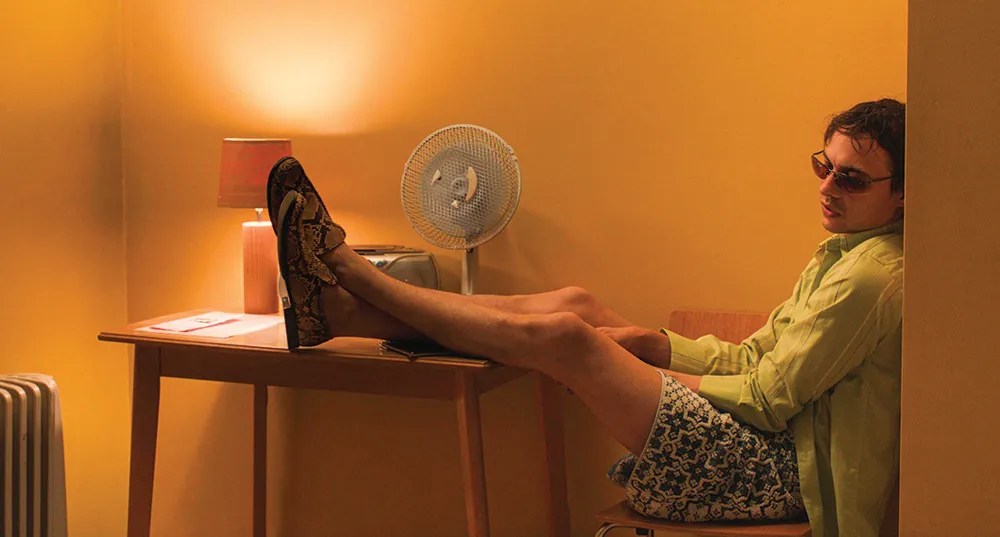
Movie: Urchin (2025)
Production Companies: Devisio Pictures, Somesuch, BBC Film, BFI, Tricky Knot
Distributed by: Picturehouse Entertainment
Producer(s): Archie Pearch, Scott O’Donnell
Directed by: Harris Dickinson
Written by: Harris Dickinson
Starring: Frank Dillane
Review by: Stefano Todaro
With great turns in films like The Iron Claw and Triangle of Sadness, Harris Dickinson has already proven himself to be one of today’s most talented young actors. Dickinson has such a good command of his on-screen presence that taking a shot at writing and directing feels like a natural fit for the actor. His directorial debut, Urchin, was released with such little marketing fanfare that there is no doubt in my mind that this film was a true passion project rather than a push for awards or publicity.
Urchin covers a little over a year in the life of Mike, played by Frank Dillane. Mike is an addict living on the streets of London, desperately looking for some sense of direction or some way out of his rut. After an altercation leads to his imprisonment and eventual release, Mike is given the opportunity to start fresh with temporary housing and a shot at a new job. For lack of a more unique phrase, Urchin is very much a slice of life film. Yes, we’re given this point in his life to watch for a reason, but I’m led to believe that Mike has seen the same hardships and opportunities a few times before.
I think most of Urchin works because of Dickinson’s eye. He understands how to frame characters and he appreciates letting shots and scenes breathe to build pathos; this is especially important when you have an imperfect lead character that can be hard to root for at times. Much of Urchin is conversation based and Dickinson toes the line of providing too much info through character conversations. Letting his films show not tell is certainly something that will improve over time. Even with some overarching drawbacks, Dillane and Dickinson worked as a dream team. With Dillane’s slender and tall body that emits emotion completely on its own, Dickinson gives Dillane room to dance, literally and figuratively, and gives him an entire frame to work with. Dickinson’s direction worked in perfect harmony with Dillane’s performance.
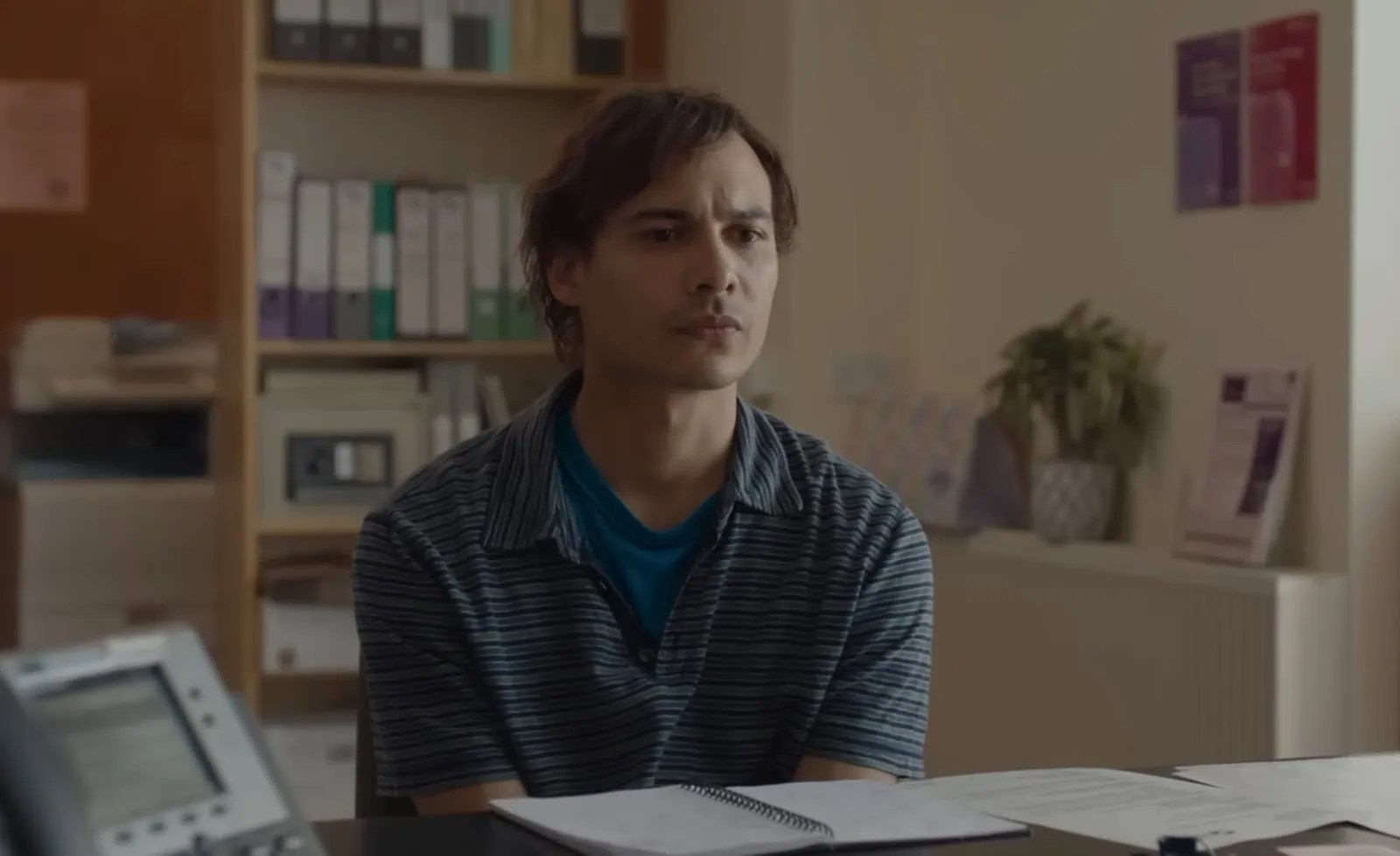
Dickinson’s debut comes across as hodgepodge of film styles. The score and more fast paced sequences beg to be compared to a Safdie Brothers film, and the subject matter and grittier aspects make Urchin feel like it belongs as part of Andrea Arnold’s filmography. The obvious inspirations aren’t necessarily a detriment to the film, but seeing these stiches are evidence of a new filmmaker finding their voice. As the film progressed, I wish it had made a bigger commitment in a direction rather than living in the in-between spaces. It wanted to be gritty and wholesome too, it wanted to provide hope, but also show the ultimate depths of despair. The subject matter is tedious and nuanced, and falling hard down one rabbit hole also has its setbacks.
The film intelligently highlights the cyclical aspects of somebody in Mike’s position and forces you to reckon with the causes and intricacies of said position. Society isn’t set up for people in Mike’s position to succeed, but there are also scenarios in which somebody like Mike are given life lines. How and why aren’t people able to use those life lines, and who’s at fault? It’s hard to say, and Dickinson is by no means pretending to have the answers. Urchin is commendable, and at times outstanding. I look forward to Dickinson’s next directorial effort.
7.3/10
By: Stefano Todaro

 POPCORN FOR BREAKFAST
Leave a comment