

Movie: Sentimental Value (2025)
Production Companies: Eye Eye Pictures, MK Productions, BBC Film, Lumen Production, Komplizen Film, Zentropa, Zentropa Sweden, Alaz Film, Film i Väst
Distributed by: NEON
Producer(s): Maria Ekerhovd, Andrea Berensten Ottmar
Directed by: Joachim Trier
Written by: Joachim Trier, Eskil Vogt
Starring: Renate Reinsve, Stellan Skarsgård, Elle Fanning, Inga Ibsdotter Lilleaas
Review by: Stefano Todaro
The Joachim Trier and Renate Reinsve duo that gave us the deeply moving The Worst Person in the World in 2021 is back with another bittersweet exploration of the human condition. After winning the Grand Prix awards at the 2025 edition of the Cannes Film Festival, Trier’s Sentimental Value has been making its way through the American festival circuit and will soon get a wide release across America. Juggling a brilliant cast made up of Renate Reinsve, Elle Fanning, Inga Ibsdotter Lilleaas, and Stellan Skarsgård can be a challenge, but luckily for us, not an ounce of talent was wasted.
Sentimental Value is several parts family drama, part dark comedy, and a small part Hollywood satire, and while it might seem like Trier is trying to do too much, he elegantly puts it all together in a meaningful way. Sisters Nora, played by Renate Reinsve, and Agnes, played by Inga Ibsdotter Lilleaas, are dealing with the aftermath of their mother’s passing. This loss hits even harder considering the two sisters had an absent father who abandoned them at a young age. Their father, Gustav, is played by the always excellent Stellan Skarsgård. To their surprise, Gustav showed up at the post-funeral gathering at their childhood home. Why show up now if he wasn’t there for his daughters before?
Nora lives by herself and is a talented stage actor, although her debilitating anxiety often gets in the way. As gifted an actress as she might be, the weight of her uncertain life looms large on her emotional happiness. Reinsve plays Nora perfectly; she has the physical prowess and talent that you’d associate with ego and confidence, but her blank stares, panic attacks, and somber disposition beautifully tell the story of somebody who is struggling. Agnes is a bit of a different story. She lives in a lovely home with her husband and son; they’re the picture-perfect family. Any demons she might be facing are buried deep down. It’s clear that Gustav’s abandonment hit Nora harder, but that’s because she didn’t have anybody to protect her the way Agnes did. Gustav is a celebrated film director whose focus in life was to be the world’s greatest filmmaker. This mindset came with a cost: losing his family. He was mentally absent when he was at home. Rather than his entire family enduring the verbal abuse of their mother, it was probably better for all that he left.
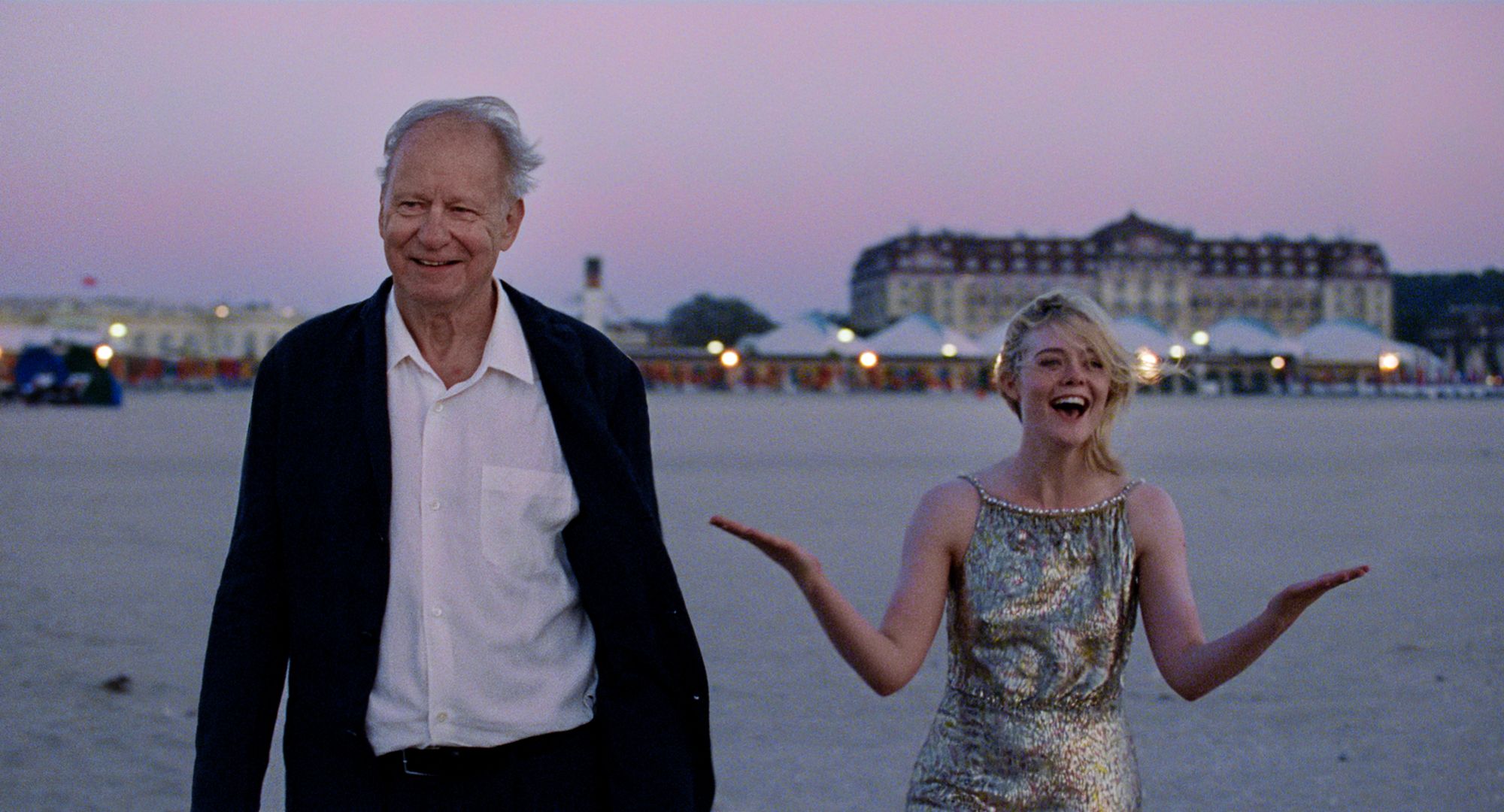
Gustav sees this funeral as a way to re-enter his daughters’ lives. What was a confusing occurrence at first all made sense when he revealed that he wanted Nora to play the main character in his new film. She quickly shoots him down in a powerful scene at a diner. After mostly avoiding her father up until this point, Nora is forced to reckon with him face-to-face. Skarsgård and Reinsve shine here, like they do the entire film. Skarsgård’s ability to play a well-meaning bad person is unmatched; he can’t get through a conversation without flashing his charm. Reinsve uses this moment to finally give Nora a moment of power, realizing she holds all the cards. After Nora’s rejection, Gustav needed to find a new leading lady. Famous actress Rachel Kemp, played by Elle Fanning, happily accepted the role.
Some of the film’s best moments are when it takes the opportunity to satirize the current state of filmmaking. Gustav very much represents the hyper fixation with auteurs, portraying a filmmaker who can do no wrong and will do whatever it takes to make life-changing art. Trier even takes shots at streaming services. Gustav is beside himself when he finds out that his new film might not get a theatrical release because it’s being distributed by Netflix. Elle Fanning’s career-best turn as Rachel Kemp is a meta-commentary itself. Why hire Rachel Kemp if it forces parts of Gustav’s Norwegian film to be in English? And why hire Elle Fanning if it forces parts of Sentimental Value to be in English? These ideas give this film an entire extra layer of richness, forcing the audience to question the industry itself.
With all of the clever commentary and stomach-dropping emotional beats, Trier’s commitment to his characters is Sentimental Value’s greatest accomplishment. Nora, Agnes, Gustav, and Rachel Kemp all get moments of exploration, realization, and catharsis. Even though everybody has unique struggles, they all want to be the best versions of themselves. Reaching that point isn’t easy. It requires self-reflection and finding ways to connect to others in whatever way they know how. All four of our main characters are handled with such precision and delicacy that it’s impossible not to feel every ounce of their burdens. The screenplay, direction, and performances come together in magical ways to tell a story about how art might be the best way to heal all wounds.
9.4/10
By: Stefano Todaro


 POPCORN FOR BREAKFAST
Leave a comment