
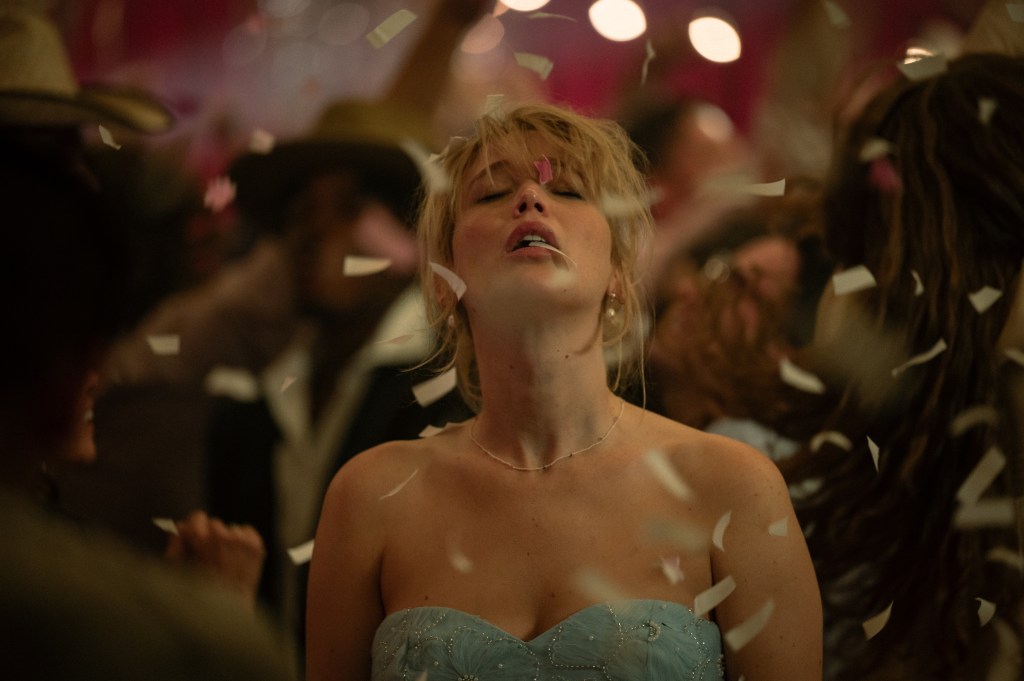
Movie: Die My Love (2025)
Production Companies: Black Label Media, Excellent Cadaver, Sikelia Productions
Distributed by: Mubi
Producer(s): Martin Scorsese, Jennifer Lawrence, Justine Ciarrocchi, Molly Smith, Thad Luckinbill, Trent Luckinbill, Andrea Calderwood
Directed by: Lynne Ramsay
Written by: Enda Walsh, Lynne Ramsay, Alice Birch
Based on the Novel: Die, My Love by Ariana Harwicz
Starring: Jennifer Lawrence, Robert Pattinson, Sissy Spacek, LaKetih Stanfield, and Nick Nolte
Review by: Cam Wiggs
Jennifer Lawrence and Robert Pattinson have remarkably similar acting careers on paper. Both of them rocketed to superstardom as teenagers playing primary characters in film franchises adapted from young adult novels (specific, I know). Both of them have achieved enormous critical and commercial success. And despite that success – this is what I admire most about them – both continue to push themselves artistically in ways few others do. They are fearless both in the roles they choose and the acting choices they make in those portrayals. I mean, I don’t even remember what Robert Pattinson’s real voice sounds like after all the insane accents he’s pulled off and Jennifer Lawrence’s acting choices are consistently unique and unpredictable. The latter shared trait, continuing to push themselves artistically, is exactly what led them both to star in Lynne Ramsay’s latest feature, Die My Love.
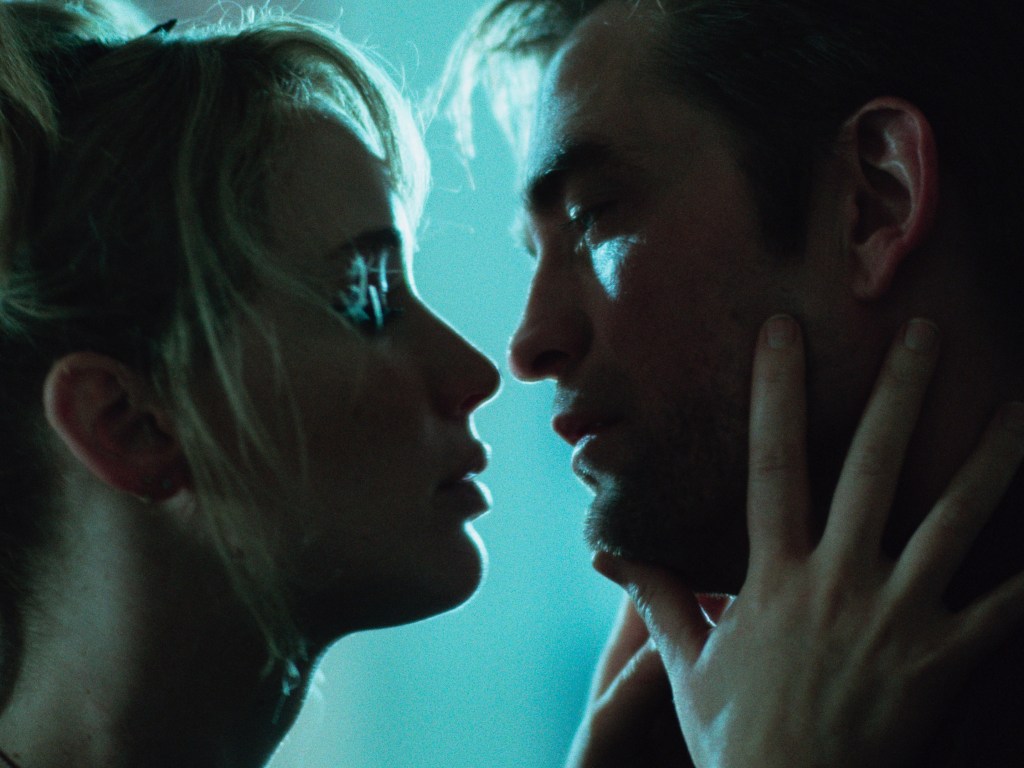
Once again, Ramsay employs her signature narrative style of loosely adapting an existing source material to match her creative vision, similar to her approach with prior critical darlings You Were Never Really Here (2017) and We Need to Talk About Kevin (2011). In my opinion, this makes for a much more compelling film than a straight adaptation and I applaud the creativity required to pull it off. And, though the execution of Ramsay’s adaptation differs significantly from the Ariana Harwicz’s novel on which it’s based, the thematic bones are very much in tact. At their respective cores, both Ramsay’s film and Harwicz’s novel are about the stifling expectations on wives and mothers and how the associated pressure can build. In a way, it feels weird examining the themes of this film and assessing their effectiveness having no firsthand experience as a wife or mother. Having witnessed the transformation of my partner into a wife and then a mother as well as the other women in my life, I’ve certainly listened and watched how these societal and family roles can constrict. That said, that experience still undoubtedly differs greatly from my own as a husband and father.
One aspect I can examine is the way Ramsay chooses to communicate these themes through the art of film. The first and most noticeable visual tool that is used to enhance the themes is the aspect ratio. Ramsay opts for a square aspect ratio, which is rare but immediately impactful. There are two primary effects this aspect ratio provides. First, it makes the viewer feel as though they are watching this movie through a window, peering in on the life of this young troubled woman (Jennifer Lawrence’s character, Grace) and her husband (Robert Pattinson’s character, Jackson). To make sure the aspect ratio achieves this effect, the director even parks the camera for long stretches, even while the actors move out of frame and explore the negative space. This perspective matches that of someone looking through a window and that is most certainly intentional. So much of feeling the pressure of social expectations has to do with feeling the gaze of others. You feel like everyone is staring at you and people are watching and judging even when you cannot see them.
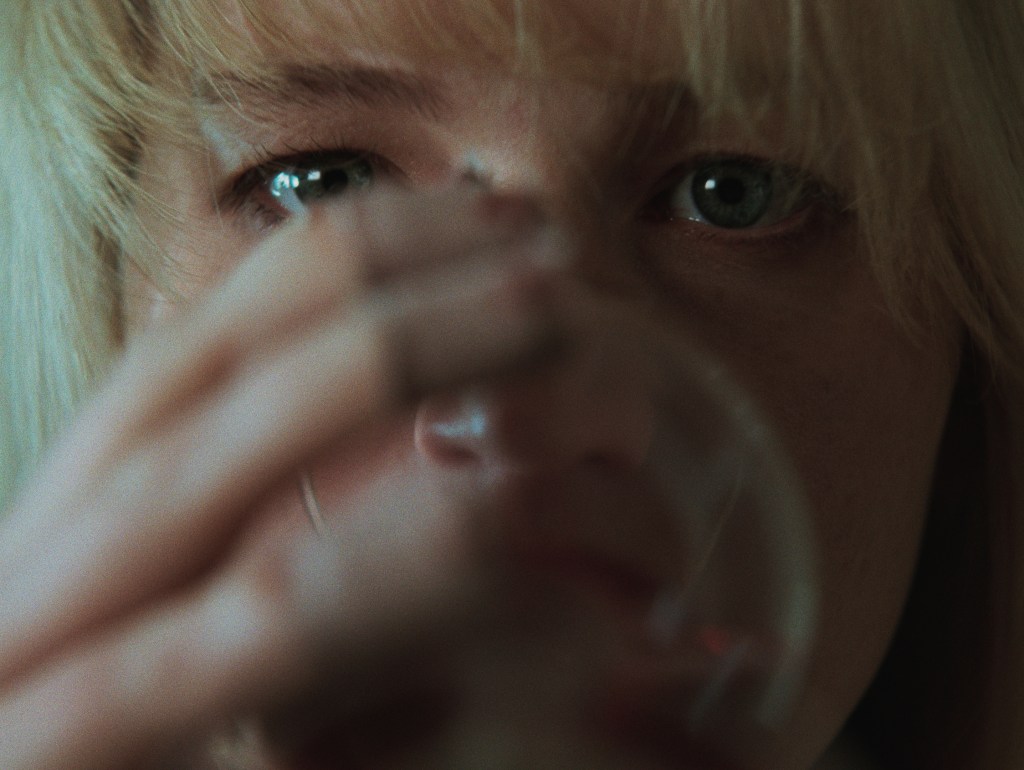
The second effect of the square aspect ratio is creating a literal box in which Grace is trapped. The frame is often zoomed in, claustrophobic, making us feel the way Grace seems to feel in her circumstances. But there is also a duality to it. Sometimes in life, the proverbial box in which we all live is confining, suffocating and other times it is safe and cozy. Lynne Ramsay does a beautiful job portraying this non-binary nature of her themes and her use of the camera and, more specifically, the aspect ratio as a storytelling tool is first-rate.
You know what is another great storytelling tool? Two world class actors at the top of their game. Enter Jennifer Lawrence and Robert Pattinson, who show exactly what can be accomplished when you have a scene partner willing and able to match your energy and commitment and a director who is confident enough to let you go there. When these two are on the screen, there is no limit to what may unfold. They are able to dwell in the tender moments or ratchet up the energy to full-scale mania. Both Lawrence and Pattinson show why they are two of the best in the world at what they do and it’s impossible to take your eyes off the screen when they share a scene.
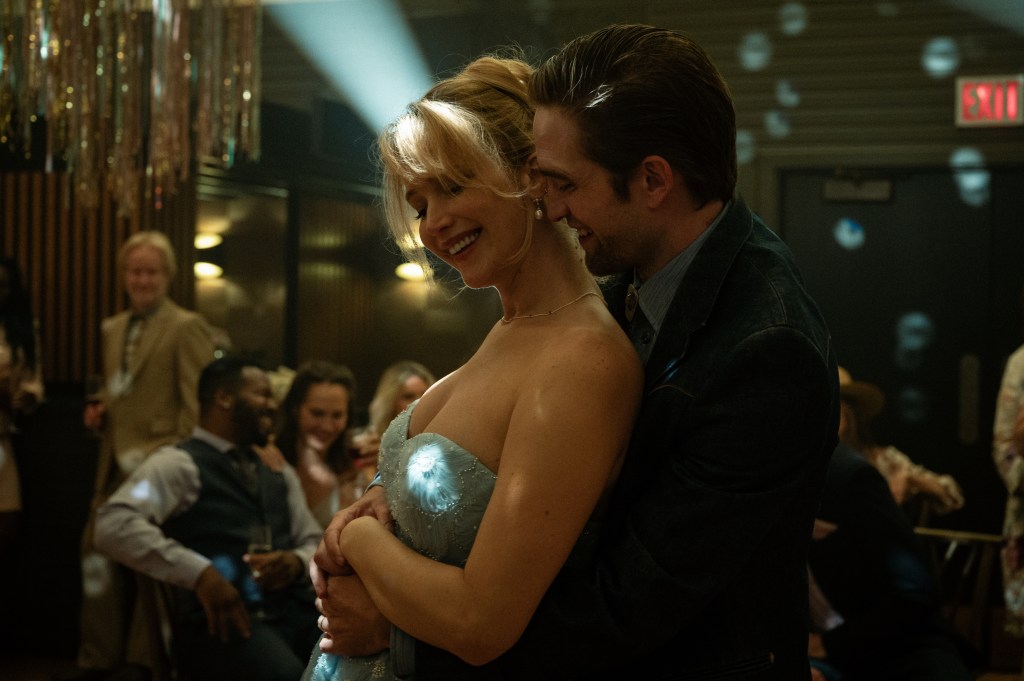
Outside of the acting and visual components, Die My Love does have some critical storytelling miscues that limit the film’s overall effectiveness. The first of these is repetition. The movie is a dizzying affair, intentionally blurring the lines between past and present as well as reality and imagination. I absolutely understand the purpose behind this choice because when you are in the midst of a depressive or dissociative episode (or in this case postpartum psychosis), it is difficult to tell up from down, life becomes blurry. That said, there needs to be more differentiation between the various set pieces in the film if you are going to take this approach. Since this story lacks that differentiation, by the end the story is a muddle of similar scenes with no dynamic differences between them or even a ramp to a climax and resolution.
The other issue I had is the resolution, or lack thereof. Please don’t get me wrong, I am a fan of portrait pics and nonlinear storytelling. I don’t think every story needs an emotional climax or a tidy conclusion. But, in this film, which is set up as a critique of societies expectations for wives and mothers and framed as a woman’s gradual descent into postpartum mania, I feel strongly there should have been a grand finale of sorts. Without that aspect, the film seems inconsequential, particularly in an era when so many filmmakers are effectively exploring “motherhood horror” and themes similar to what Lynne Ramsay is taking on here.
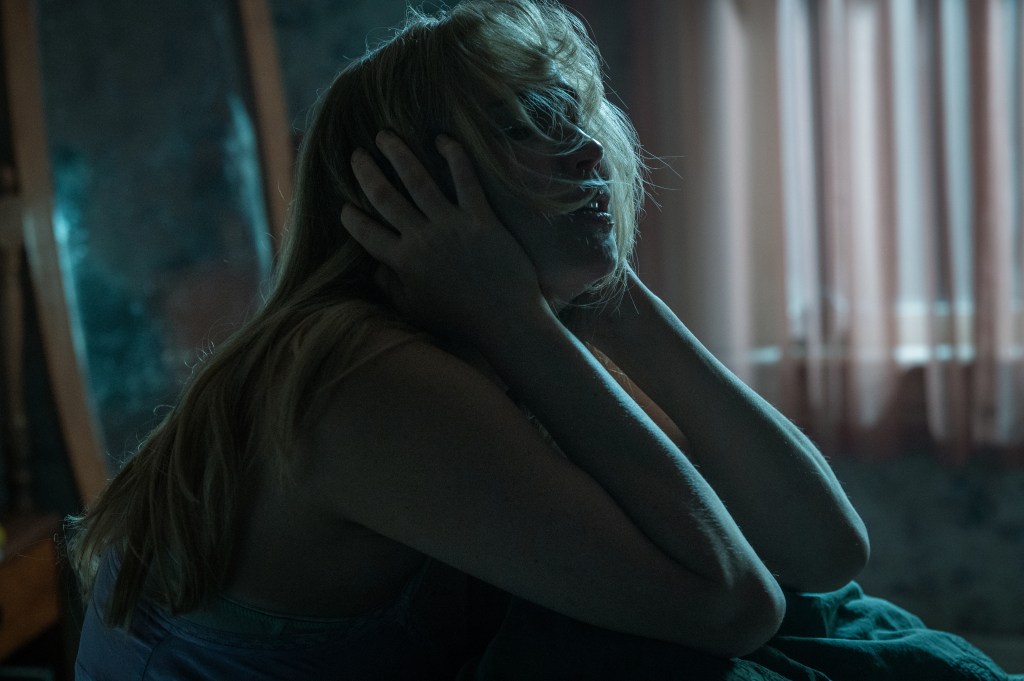
Overall, Die My Love is a cacophony of compassion for wives and mothers everywhere. While it did not leave a lasting impact on me, I certainly admire the thoughtfulness Lynne Ramsay displayed in the films visual execution and the soul the two leads bared for all to see. For those two reasons alone, this is one mess from which you won’t want to look away.
6.4/10
By: Cam Wiggs




 POPCORN FOR BREAKFAST
Leave a reply to Kyle Cancel reply