
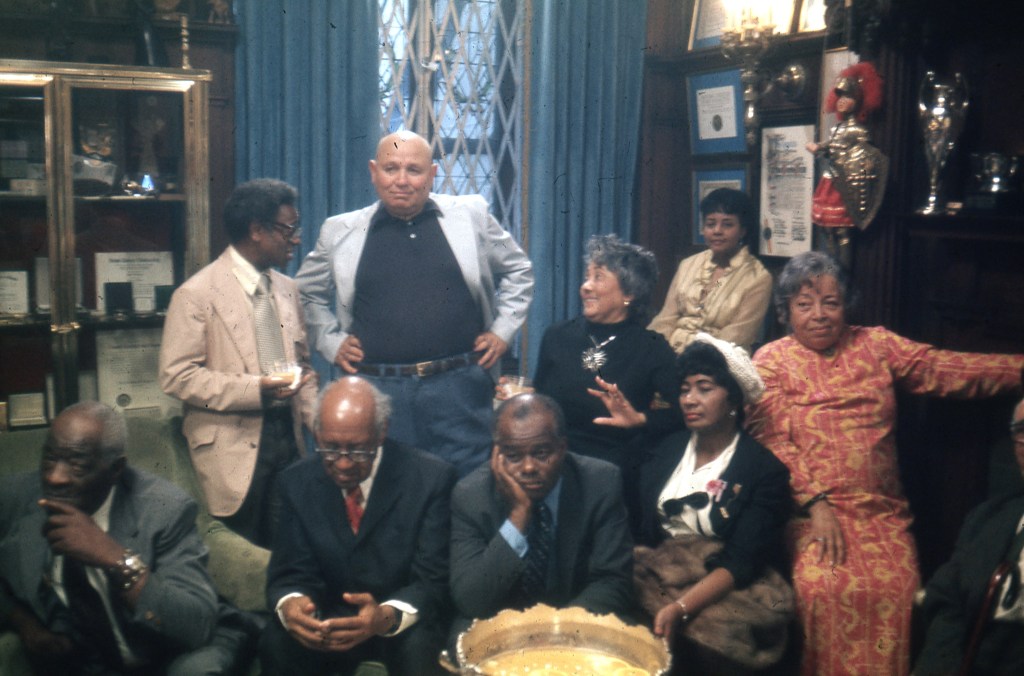
In a year where unique and intriguing documentaries are aplenty, only one documentary premise evokes a universal double-take from all who hear it: Once Upon a Time in Harlem.
In 1972, documentarian William Greaves gathered the most significant contributing members of the Harlem Renaissance at the home of legendary musician Duke Ellington. Greaves captured the gathering and ensuing conversations between these living legends on 16mm film, only for the film to lie dormant for 50 years. Ten years after William Greaves’s death, his son, David Greaves, worked to bring the film to life with a feature-length edit, restoration, and color grade. The younger Greaves, who at 26 was part of the camera crew during the initial recording, carried on the restoration efforts of his late mother, Louise Archambault Greaves, and completed the film with his daughter, Liani Greaves, as producer.
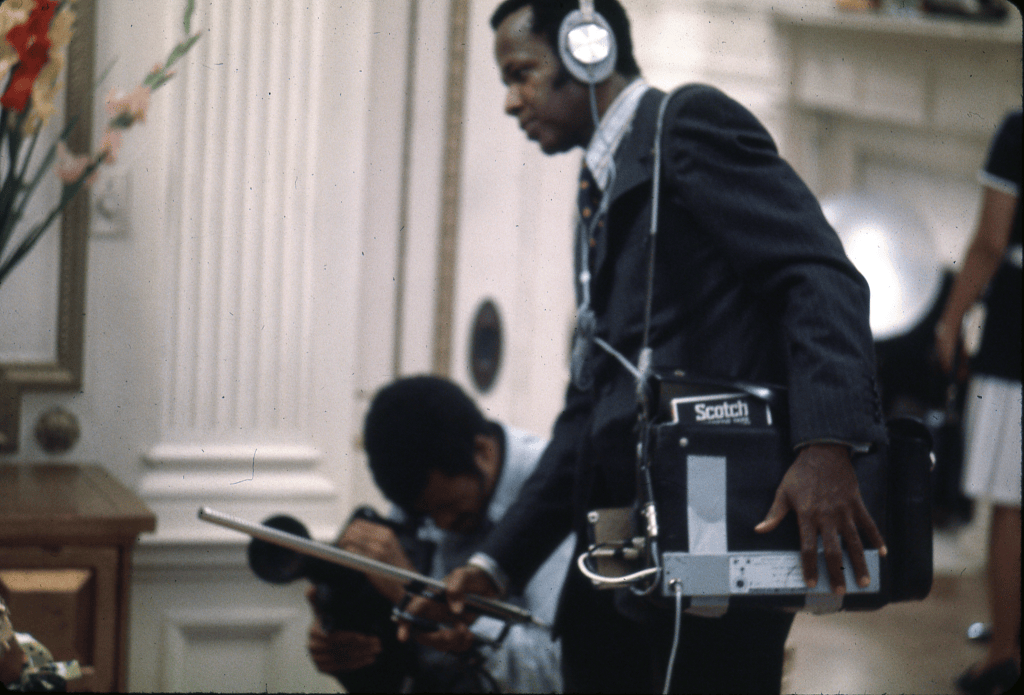
In a way, you could make a legitimate argument this documentary was 100 years in the making. With the Harlem Renaissance spanning the majority of the 1920s and ’30s, this gathering taking place in 1972, and the film only now arriving in 2026, it is a film time capsule unlike any other. Of course, it is not lost on me that archival documentaries have existed since the dawn of the medium and have a knack for unearthing decades-old footage. Still, this is a special case: reviving a nearly-complete documentary in which principal photography occurred over 50 years ago. At the very least, it is a staggering achievement of historical preservation and film restoration.
What the film contains is perhaps most surprising of all. With a scheduled retrospective conversation between some of the creative geniuses behind a famously formative era, I would imagine I was not alone in anticipating a groundbreaking, profound discussion. What Once Upon a Time in Harlem had in store, however, was something infinitely simpler and more lovely.
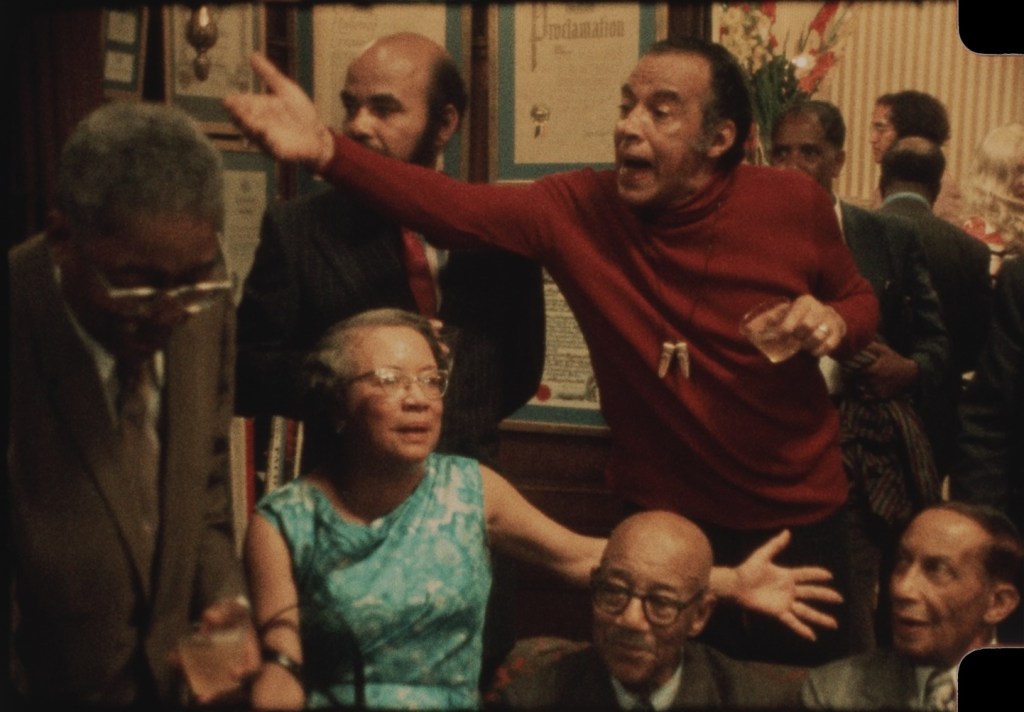
This film does not contain the secrets of the universe or any wisdom that can only be unlocked by a living legend reflecting on their life. It contains something far more precious: a group of people with shared experiences but different worldviews coming together to talk, reminisce, argue, regret, and envision. As I watched the goings-on in that room full of virtuosos, it was not their ideas that blew me away but their ideals, exhibited by their vulnerability, their civility, and their empathy.
That’s not to say their conversations about Zora Neale Hurston, Langston Hughes, Marcus Garvey, etc. were uninteresting. But, in an era of so much vitriol in the social, cultural, and political discourse, we could all learn a lesson from watching a group of intelligent, opinionated movers and shakers see each other as fellow humans instead of adversaries.
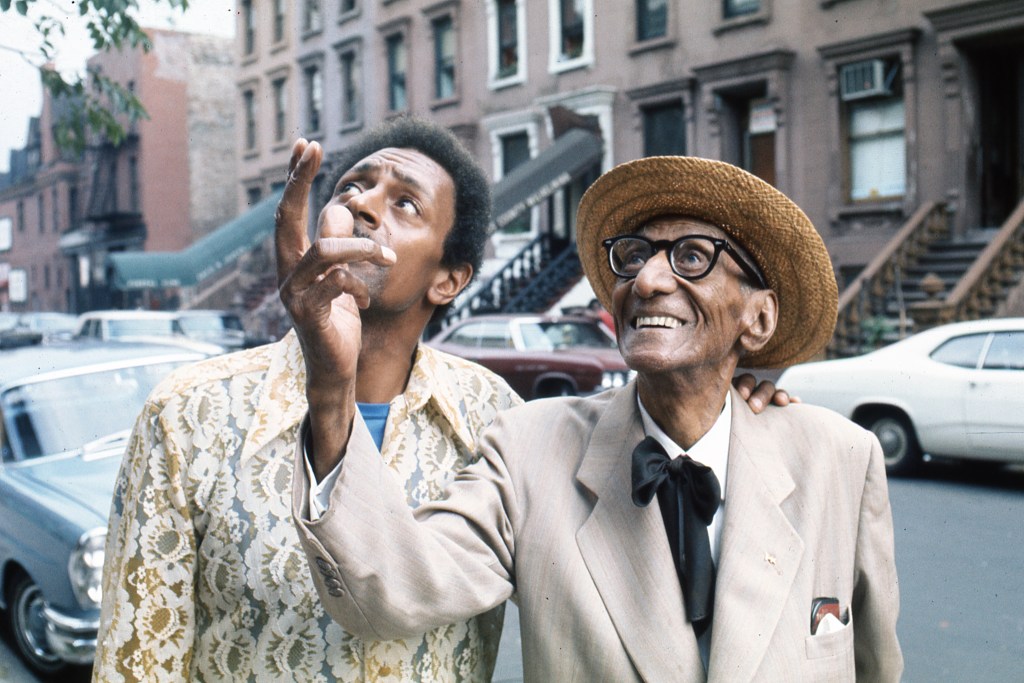
My one lament for Once Upon a Time in Harlem is its structure. And before I go on, it is worth restating my belief that this is an astounding achievement of film restoration. That said, for a movie full of strong, vibrant personalities, the personality of the film itself is disappointingly flat at times. The extent to which the filmmakers failed to introduce dynamic B-roll footage and supporting materials to break up the monotony of the classic, historical documentary structure left me disappointed. This is about as PBS and “color inside the lines” as documentaries come. Given the sheer number of published works and historians who’ve dedicated their lives to the Harlem Renaissance, there is undoubtedly no shortage of incredible perspectives and dynamics to add to this film for increased palatability.
There is nothing “wrong” about playing the film structure safe and up the middle, and I acknowledge the inherent level of difficulty on this project to begin with. Those facts notwithstanding, the documentaries people will talk about from 2026 took noticeably bolder swings with their structures. This archival format is tired and in need of fresh ideas. To have a documentary so deserving of being seen struggle to be as dynamic as its subjects is a shame.
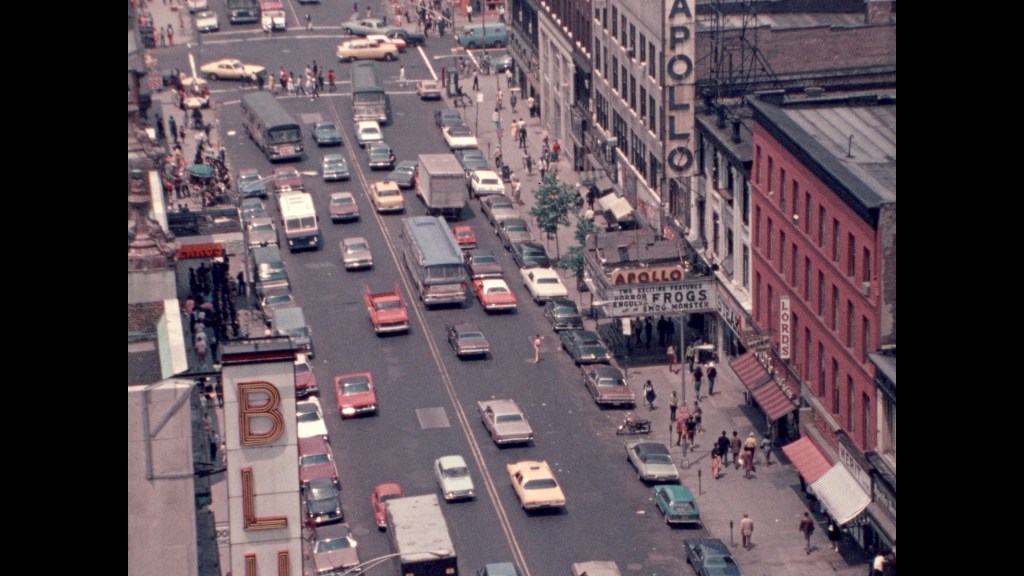
Yet, Once Upon a Time in Harlem remains miraculous. It’s nothing short of pure magic to watch this group of smart, opinionated people engage in thoughtful discussions about the Harlem Renaissance based on their involvement in it and what’s transpired since. The fact that this was captured over 50 years ago and is being released now is worthy of applause on its own. It is intimately shot and lovingly edited into a fitting tribute to these great artists and thinkers. And, though I struggled through parts of the movie due to its counterintuitively stagnant nature, I am inspired and awestruck by its celebration and preservation of the increasingly scarce art of civil disagreement.
7.5/10
Movie: Once Upon a Time in Harlem (2026)
Production Company: William Greaves Productions
Distributed by: Neon
Producer(s): Liani Greaves & Anne de Mare
Directed by: William Greaves & David Greaves
Review by: Cam Wiggs




Leave a Reply