
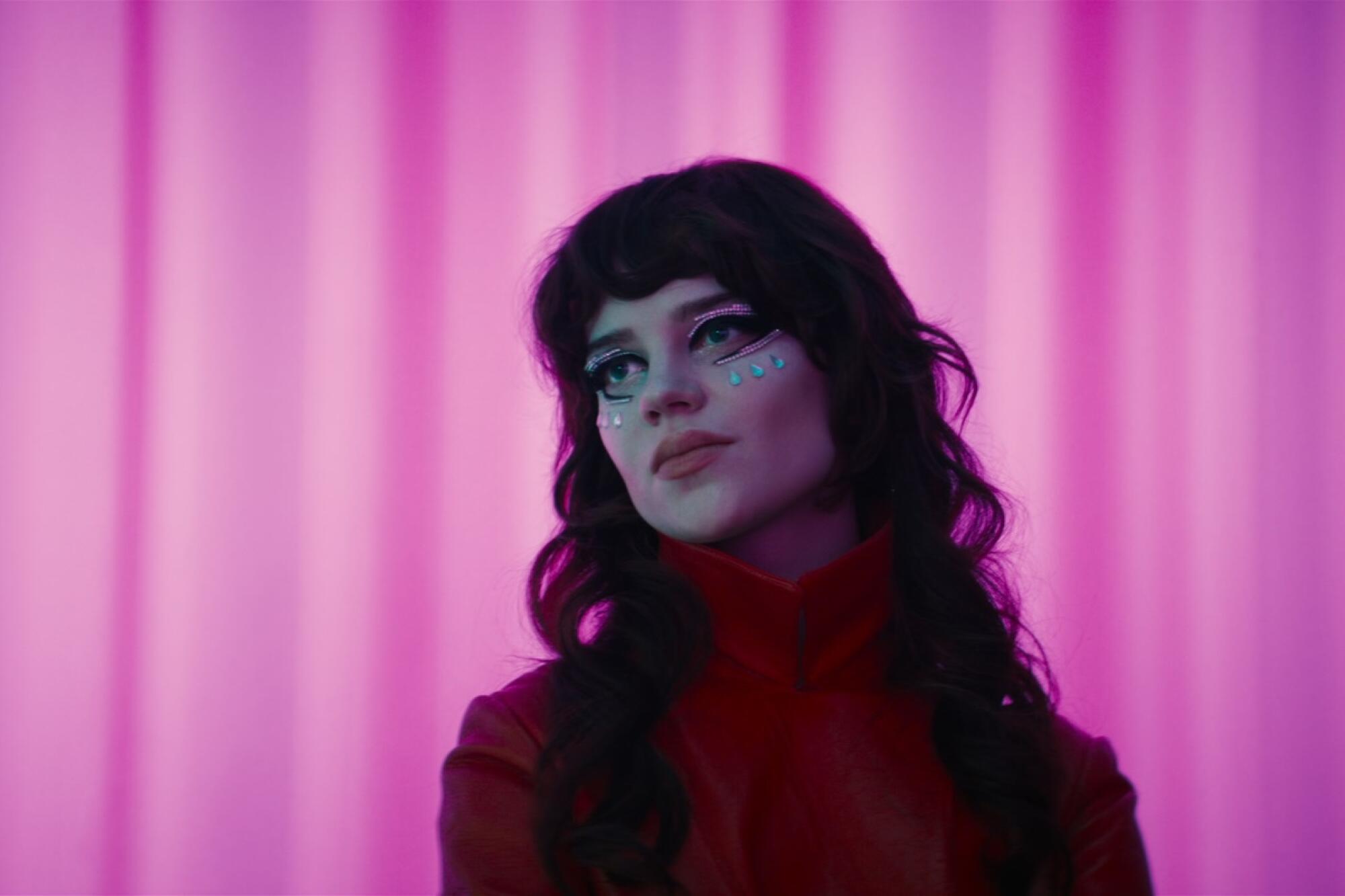
Few filmmakers have inspired as much goodwill from me as Nicolas Winding Refn. But what makes my Refn goodwill so unique is that it exists almost entirely because of his film Drive. It’s a film I consider to be one of my all-time favorites and it’s a movie that demonstrated how his visual style could coexist with genuine emotion. Since then, however, I’ve become increasingly skeptical of his work. With each new project, it feels as though Refn has become more interested in cultivating his own image than in telling compelling stories. I approached Her Private Hell hoping it might reconnect me with the filmmaker I admired so much. Instead, it only reinforced my growing suspicion that Refn thinks his style alone is enough to make a good movie.
Most of Her Private Hell felt distant and ambiguous. Not the kind of ambiguity that encourages interpretation or rewards repeat viewings, but the kind that mistakes obscurity for profundity. The film is packed with cryptic imagery and moments that constantly imply there’s something significant just beneath the surface, yet very little ever materializes. No, I don’t want Refn to spoonfeed me, but I’d at least like there to be a spoon I can grab myself. Refn has always favored atmosphere over exposition, and that instinct has produced some incredible work in the past. Here, though, the atmosphere feels like it’s doing all the heavy lifting while the substance never meets it at its level.
Ironically, maybe my favorite aspect of the film ended up becoming one of my biggest disappointments. Throughout the film, I was incredibly interested in the Private K character, played by Charles Melton. What I found fascinating was that this character could invite multiple interpretations. Whether or not my reading was “correct” didn’t really matter; it felt like the film was trying to create a space where different audiences could project their own ideas onto it. As I spent time reading about the film, I came across an interview that Refn did with Hammer to Nail. Refn explains what Private K was actually meant to represent, and it completely flattened my appreciation for it. I was left disappointed, not because I think a director’s interpretation should invalidate my own, but because he has a “correct” explanation. It removes the ability for me to actually appreciate other possibilities. Obviously, the outside noise of a film shouldn’t come into play when reviewing a film, but this tidbit created a ripple effect that was impossible for me to ignore.
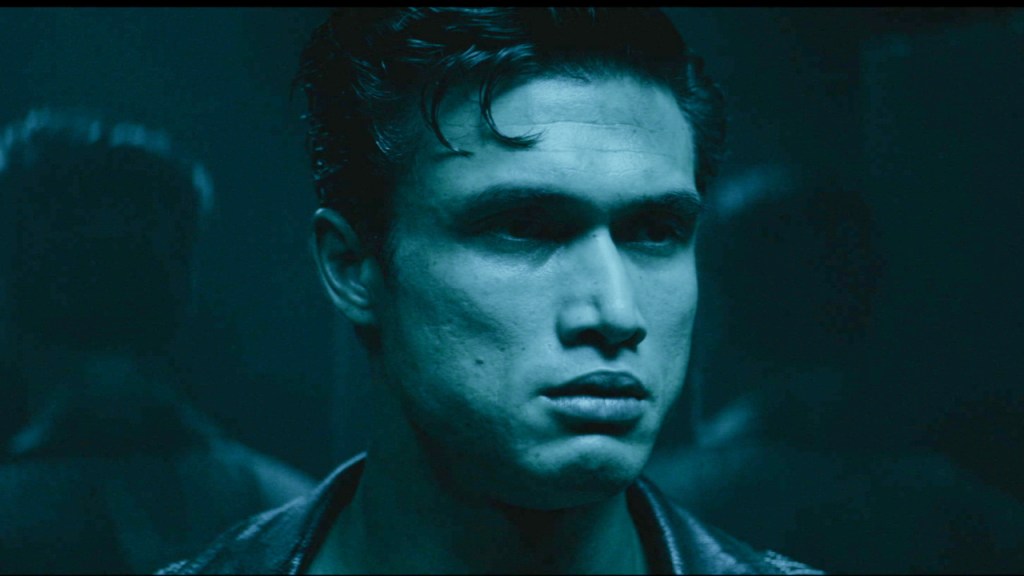
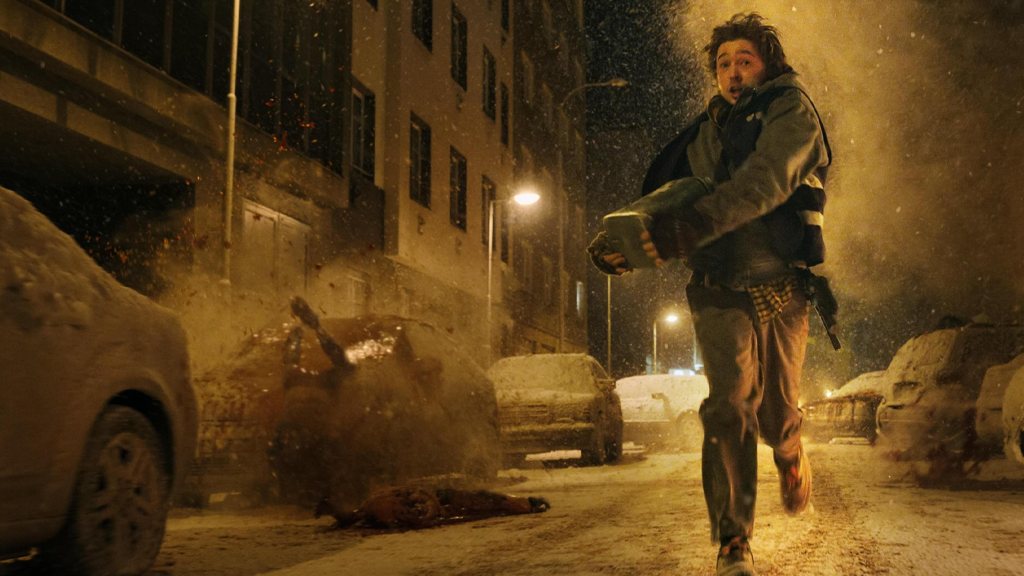
Visually, Her Private Hell still bears Refn’s unmistakable fingerprints. There are moments where the lighting, color palette, and compositions are mesmerizing, reminding me why I continue to give his work the benefit of the doubt. Unfortunately, those moments are repeatedly undermined by some distractingly ugly CGI that clashes with the otherwise cool aesthetic. Rather than heightening the atmosphere, those digital effects often made the film feel strangely artificial in off-putting ways. I’m sure it was all intentional, but it wasn’t for me.
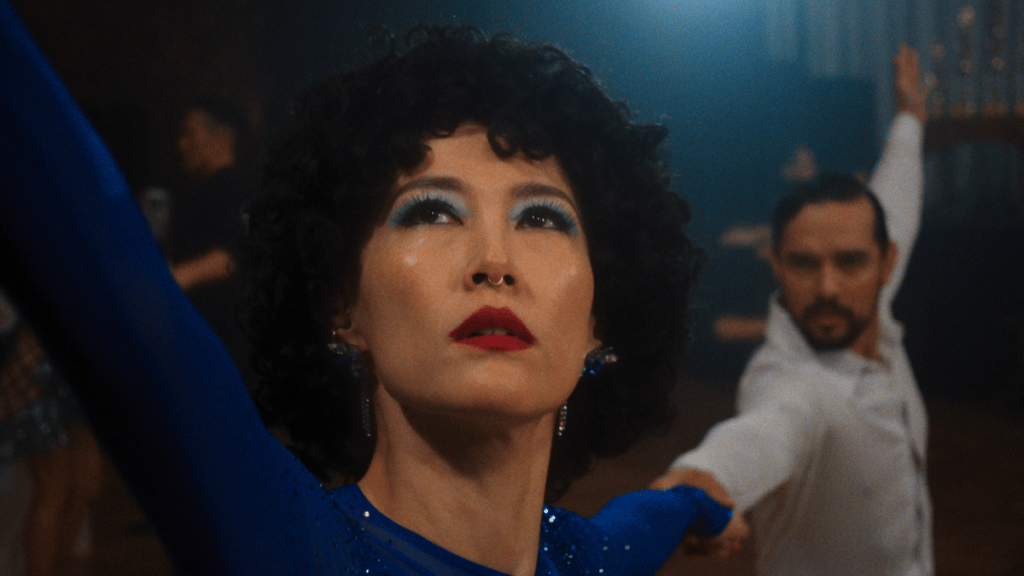
The cast deserved much better. Sophie Thatcher, Charles Melton, and Havana Rose Liu are all magnetic performers, yet the film gives them remarkably little to do. They remain compelling in the film simply because they’re compelling actors, not because the screenplay offers them meaningful characters to play. If it weren’t for those three, this film would have certainly been more of a chore for me to sit through.
I didn’t dislike Her Private Hell to the extent that many people seem to have. There are enough visual flourishes and isolated ideas to keep it from becoming a miserable experience, and I can understand why some viewers will find value in surrendering to its aesthetic. But the longer I sat with it, the more the film began to resemble an exercise in self-mythologizing.
That’s also where I found myself increasingly uncomfortable. Refn has always been drawn to provocative imagery and themes of sexuality, violence, and power, but here those elements often felt less like components of a larger artistic vision and more like expressions of his own personal fixations. Maybe that’s an unfair reading, but I don’t think it’s an unreasonable one. When a film presents itself with this level of seriousness and symbolism, it invites audiences to interrogate not only what its images mean, but the filmmaker who created them in the first place.
I still believe Refn is an immensely talented visual filmmaker, and Drive remains proof of what he’s capable of when his aesthetic instincts are grounded by emotions and genuine curiosity about his characters. Her Private Hell didn’t make me lose faith in Refn completely, but it did make me wonder if he’s become too interested in making “a Nicolas Winding Refn film” instead of simply making a great film.
5.1/10
Movie: Her Private Hell (2026)
Production Companies: NEON, byNWR Originals
Distributed by: NEON
Producer(s): Nicolas Winding Refn
Directed by: Nicolas Winding Refn
Written by: Nicolas Winding Refn, Esti Giordani
Starring: Sophie Thatcher, Charles Melton, Havana Rose Liu
Review by: Stefano Todaro



Leave a Reply