
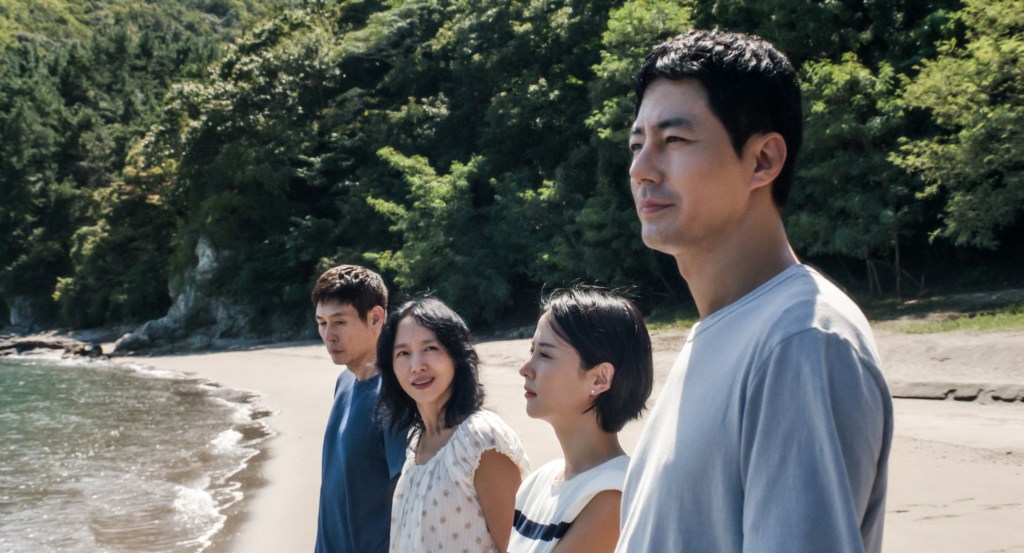
I absolutely adored Lee Chang-dong’s Burning when it came out, and it ended up being one of my favorite films of 2018. So, needless to say, the prospect of Lee Chang-dong returning to feature-length filmmaking for the first time in eight years was incredibly exciting. And while Possible Love is a very different film from Burning, it reminded me just how special of a filmmaker Lee is.
Possible Love follows two married couples whose lives begin to intersect, gradually exposing the various frustrations, insecurities, and personal struggles that each of them is dealing with. What initially feels like a fairly straightforward story about two couples from different walks of life slowly evolves into something much more complicated, with Lee using their relationships to explore everything from economic hardship to the emotional disconnect that can exist between people who are supposed to be closest to one another.
One of the things I found particularly interesting about Possible Love is its commentary on the state of the job market and corporate culture in South Korea. There’s a very clear frustration with the way workers are treated and how easily people can become disposable when they’re no longer useful to the industries they serve. In that regard, there’s an interesting overlap with Park Chan-wook’s No Other Choice from last year (one of 2025’s very best films), although the two films approach these ideas from fairly different perspectives. Where No Other Choice takes a much more darkly comedic approach to economic desperation, Lee is far more restrained, allowing much of that anger to simmer beneath the surface. I really admire how angry this film can be at times, but how tastefully that anger is communicated. It never feels like Lee is trying to beat you over the head with his ideas. Park Chan-wook is equally successful in his film.
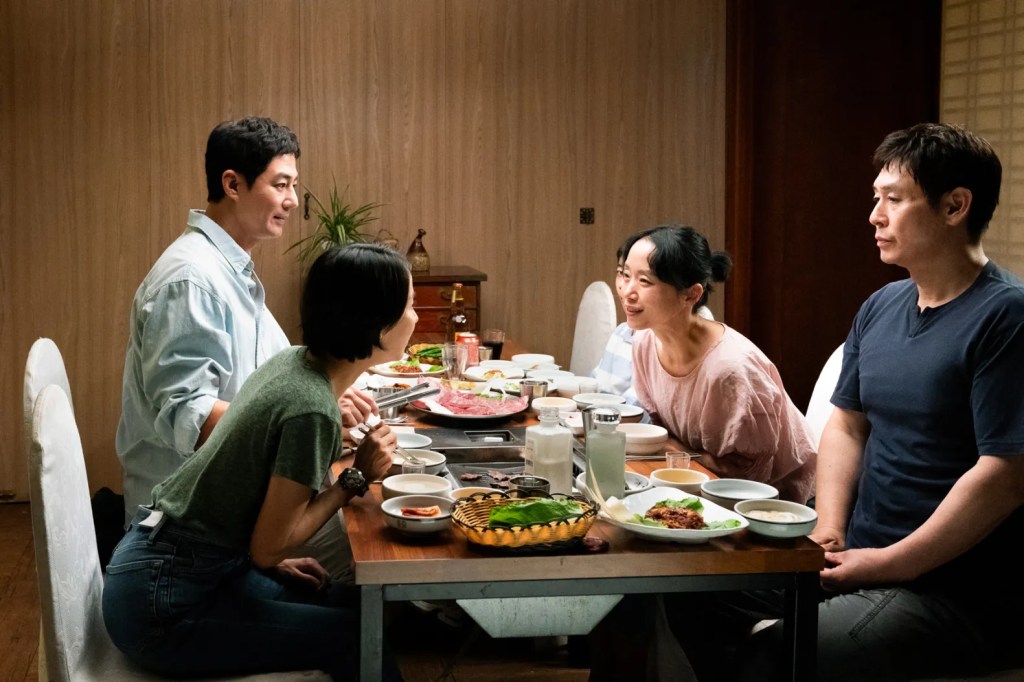
I was also incredibly impressed by the film’s structure and how naturally everything unfolds. The way Lee moves between these two couples, gradually bringing their lives together and allowing seemingly small interactions to develop into something much more consequential, is really fascinating to watch. Every character has their own unique set of problems, and what I love is how much nuance Lee brings to each of their individual struggles. Nobody feels like they’re simply there to serve a particular narrative purpose. Their insecurities, frustrations, and desires constantly influence the way they interact with everyone else, and the more time you spend with these characters, the more complicated those relationships become. The performances across the board are outstanding, too, with every actor bringing so much depth to their respective characters.
One character I particularly loved was the son of the main couple. He almost feels like a ghost floating around the edges of the film, quietly observing everything while desperately trying to be seen by his parents. There’s something especially heartbreaking about the way he seems to understand why he’s being neglected, even as he continues to look for affection and attention from the two people who should be giving it to him. It’s such a small but incredibly affecting part of the film, and another example of how Lee finds so much emotional complexity in the smallest details.
Ultimately, Possible Love is the kind of film that I suspect will reveal even more of itself with each day. It’s so deeply layered and rich that I don’t think it’s possible to have everything figured out by the time the credits roll. There’s so much to sit with afterward, both in terms of what Lee is saying about the world around these characters and the complicated ways they navigate their own lives. I also love that beneath all of these layers is a film that’s genuinely, deeply angry. Lee communicates that anger in such thoughtful and understated ways, making its eventual impact all the more powerful. A thing of beauty.
9.0/10
Movie: Possible Love(2026)
Production Company: Pinehouse Film, Anonymous Content, Nowfilm
Distributed by: Netflix
Producer(s): Lee Joon-dong, David Levine, Chadwick Prichard
Directed by: Lee Chang-dong
Written by: Lee Chang-dong, Oh Jung-mi
Starring: Jeon Do-yeon, Sul Kyung-gu, Zo In-sung, Cho Yeo-jeong
Review by: Stefano Todaro



Leave a Reply